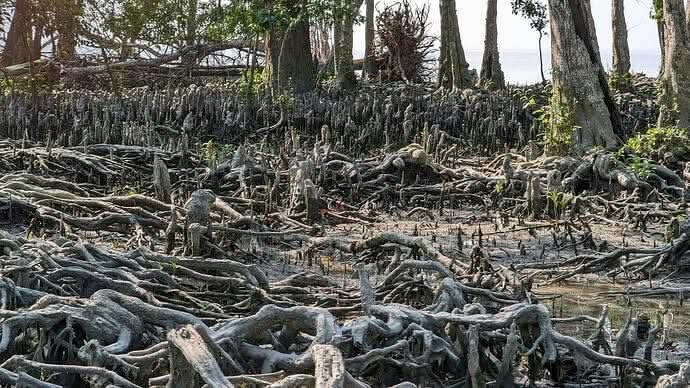
Chief reporter Md. Nasir Uddin | Dhaka: Bangladesh is facing an important international conference demanding international support to combat the damage of climate change, fair climate finance and ensuring the rights of affected people. The 31st United Nations Climate Change Conference (COP31) will be held in Antalya, Turkey from November 9 to 20. The main challenge for Bangladesh at the conference will be to translate climate risks into effective international cooperation and financing. Source: UNFCCC
Bangladesh at risk from climate change
Due to its geographical location, Bangladesh is exposed to various risks such as floods, cyclones, tidal surges, river erosion, drought and coastal salinity. There is also a risk of heat waves, irregular rainfall and increased pressure on water resources due to the impact of climate change. This is having an impact on agriculture, fisheries, biodiversity, infrastructure and public health. Source: National Climate Risk Assessment of Bangladesh
The livelihoods of people in coastal areas, in particular, are facing challenges due to climate change. Salinity, shortages of clean water, and loss of homes and farmland in disasters are creating long-term uncertainty for many families.
Finance and climate justice
Although Bangladesh's contribution to climate change is relatively small, it requires significant investment to address its harmful effects. In this context, it is important for Bangladesh to ensure adequate, accessible and predictable financing from the International Climate Fund.
The nature of grants and loans also matters when it comes to climate finance. There is growing demand to increase support for adaptation, disaster response, and recovery from damage without increasing the debt burden on affected countries.
At a meeting on Bangladesh's priorities at COP31 in Dhaka on October 15, State Minister for Foreign Affairs Shama Obaid Islam emphasized climate justice, accountability, disaster relief funds, just transition and green growth. At the same time, the need for implementation of national action plans and a transparent and predictable system of international climate finance was highlighted. Source: Dhaka Tribune
The younger generation is not outside the discussion
Youth participation is also gaining importance in addressing the climate crisis. In October, Bangladesh Youth Leadership Center (BYLC), the Department of Environment, and relevant partners organized a training for youth in Dhaka on climate negotiations and international negotiations. It discussed climate finance, adaptation, damage, and climate justice. Source: The Climate Watch
Expectation is not a promise, but implementation.
It will be important for Bangladesh at COP31 to translate international commitments into tangible support. It is essential to increase funding for climate-resilient infrastructure, safe water systems, agricultural adaptation, coastal protection, and disaster-affected people's rehabilitation.
One question is emerging in the discussions among experts and environmental activists: to what extent will the promises of the international conference actually reach people at risk?
Bangladesh hopes that COP31 will pave the way for decisions that ensure fair financing, technical cooperation, and effective international partnerships to address the damage caused by climate change. Because the solution to the climate crisis must not only be at the negotiating table, but its benefits must also reach the lives of the affected people.
Bangladesh's big challenge at COP31: Climate finance and demand for fairness